Building Science · 4 min read
Code Is Not a Quality Standard
Poor homes are not just a contractor problem. They are the result of a market that rewards low bids, weak standards, and minimum-code thinking.
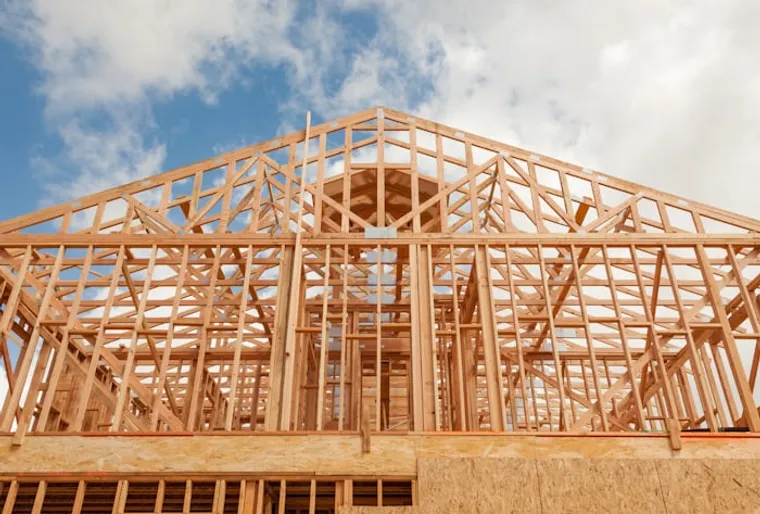
The blame lands on builders, but the problem runs deeper.
In a market filled with poorly built homes and sloppy renovations, the blame almost always lands on builders and contractors. And ultimately, yes, it should.
But if we are being honest, you have to unpack what it took to get us here.
As a state licensed general contractor and mechanical contractor with over 20 years in this industry, I have had to compete in a market that rewards cutting corners.
Building code is not a performance standard.
Most people believe contractors are building to some solid minimum standard: the building code.
The reality is that building code is not a quality standard. It is a legal minimum meant to prevent immediate failure, not long-term performance, durability, or the health of the people living inside the home.
In a hot-humid climate, where moisture control is everything, that gap becomes even more dangerous.
Then there is enforcement. Code enforcement is typically handled by underpaid, understaffed government employees who often lack the training needed to catch critical failures. In some cases, it is outsourced to third-party inspection companies.
From what I have seen, inspectors rarely get out of their trucks. And when they do, many do not fully understand what they are looking at or what should raise a red flag. Contractors know this, and many take full advantage of it.
The market rewards the wrong behavior.
But that is only part of the problem. The market drives behavior.
Homeowners shop price, not performance. The lowest bid wins, even when it should not. Most people do not know what to look for, and many do not want to pay for what it actually takes to do it right.
So the contractor who reduces scope, skips critical steps, and delivers the cheapest number gets rewarded. That creates a race to the bottom.
Over time, that becomes the standard. Now we are dealing with the result: an entire generation of workers trained to move fast, do it cheap, and not question the outcome. Not because they are bad people, but because that is what the system taught them.
True craftsmanship died long ago.
I do not compete on price. I compete on performance.
Most of what I deal with today is not just poor workmanship. It is a complete lack of understanding of how buildings actually work.
Water, air, vapor, and thermal control are not optional. If you do not control them, the house will fail. Period.
This is not about minor issues or comfort complaints. I work with families dealing with respiratory issues, chronic illness, and environments that are actively making them sick. I have lived it myself. I have experienced the health effects of poor construction, and I see it every day in the homes I assess.
And when these homes fail, no one is held accountable. The homeowner lives with the consequences.
I have chosen a different path. I do not build to code. I build beyond it. I design and execute to a level that prioritizes durability, control of air and moisture, and the health of the home and the people living in it.
I do not compete on price. I compete on performance. If the goal is the cheapest number, I am not the right fit. But if the goal is a home that actually works and supports the health of the people inside it, that is where I live.
Need answers about your home?
ACC Building Performance is local to the Gulf South and serves the entire United States, finding and documenting the root cause of moisture, mold, HVAC, and indoor air quality problems.
Book Your Assessment