Building Science · 7 min read
What Building Science Assessments Find
A true assessment looks beyond visible symptoms and evaluates the envelope, mechanical systems, moisture dynamics, and how the home performs as a system.
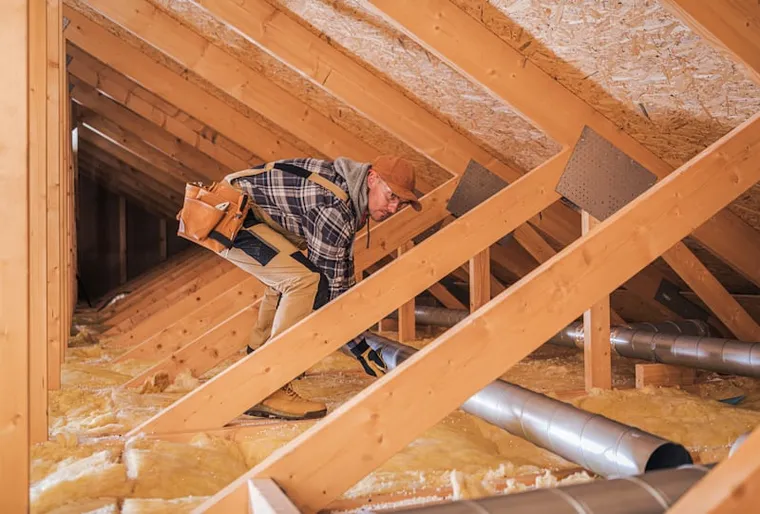
The home is evaluated as a system.
A building science assessment does not start with the assumption that one visible defect explains everything. It looks at the envelope, mechanical systems, pressure relationships, moisture pathways, and the way those parts interact.
That system view matters because indoor air quality problems often come from interactions: an HVAC system pulling from the wrong place, an air barrier that is incomplete, a crawlspace affecting the living space, or a wall assembly that cannot dry.
The assessment follows evidence, not guesses.
Diagnostic tools may include moisture meters, thermal imaging, pressure testing, visual inspection of attics and crawlspaces, HVAC review, and documentation of building assemblies.
The goal is not to create a generic punch list. The goal is to determine what is happening, why it is happening, and what needs to happen next in the right order.
The report is built to be used.
A useful assessment produces clear documentation: findings, photographs, likely root causes, risk areas, and prioritized recommendations. The homeowner should be able to share it with a doctor, remediator, contractor, builder, or insurance contact.
The best report does more than describe symptoms. It gives the family a path forward.
Need answers about your home?
ACC Building Performance is local to the Gulf South and serves the entire United States, finding and documenting the root cause of moisture, mold, HVAC, and indoor air quality problems.
Book Your Assessment