Home Wellness · 6 min read
Why Mold Keeps Coming Back
If remediation removed the growth but never corrected the moisture pathway, the same conditions can return. Here is why root-cause building science matters.
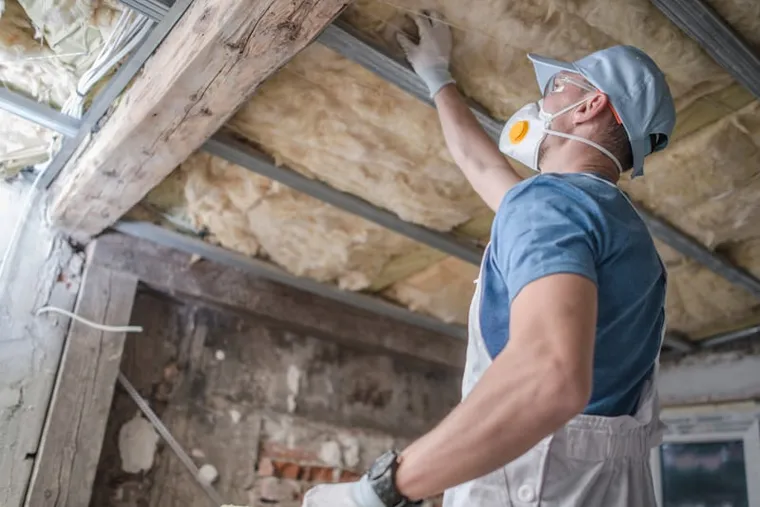
Remediation removes growth. It does not automatically remove the cause.
A successful remediation can clean or remove contaminated materials, but mold is rarely the original problem. Mold is what shows up after a building has already failed at moisture control.
If the source of that moisture remains, the home can return to the same conditions that allowed growth in the first place. That is why families often feel better for a short period, then start seeing symptoms, odors, staining, or humidity problems return.
The missing question is where the moisture came from.
Moisture may be entering through bulk water intrusion, air leakage, vapor drive, crawlspace conditions, poor attic performance, negative pressure, or HVAC equipment that cannot manage latent load.
Those causes live outside the normal scope of many remediation projects. A remediator may remove what is damaged without being hired or trained to evaluate the entire home as a system.
A root-cause assessment changes the sequence.
Before another round of cleaning or demolition, a building science assessment looks for the deficiency that created the environment for mold to grow. The goal is to identify what failed, document why it matters, and give the homeowner a sequence of repairs that can actually hold.
When the pathway is corrected first, remediation has a much better chance of being permanent.
Need answers about your home?
ACC Building Performance is local to the Gulf South and serves the entire United States, finding and documenting the root cause of moisture, mold, HVAC, and indoor air quality problems.
Book Your Assessment