Home Wellness · 12 min read
Your HVAC Company May Have More Impact on Your Health Than Your Doctor
In hot, humid Louisiana, HVAC is not just temperature control. Humidity, filtration, ventilation, duct leakage, pressure, and airflow shape the air your family breathes every day.
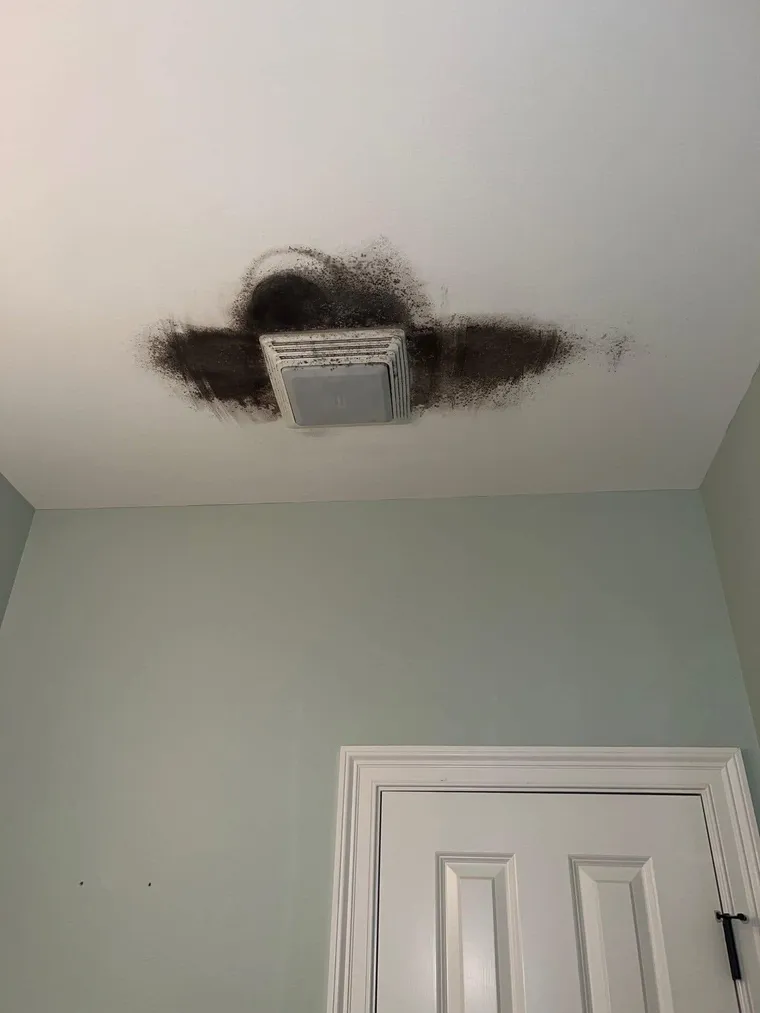
Yeah, let that sink in.
It may sound dramatic, but it is something I see every day, especially here in hot, humid Louisiana.
Most people think their HVAC system has one job: keep the house cool in the summer and warm in the winter. That is only a small part of what it actually does.
Your HVAC system affects the air you breathe every day. It influences humidity, filtration, ventilation, airflow, pressure, moisture, and where the air inside your home is coming from.
Your doctor can help treat symptoms. Your HVAC system can help prevent some of the conditions that may contribute to those symptoms, but only if it is designed, installed, and operated correctly.
Your home is a system.
Your HVAC equipment does not operate by itself. It interacts with the ductwork, attic, crawlspace, walls, insulation, exhaust fans, doors, windows, and the building envelope.
When those things are not working together, the HVAC system can pull hot, humid, dusty, and contaminated air from places you were never supposed to breathe from. That may include the attic, wall cavities, crawlspace, garage, mechanical closets, floor systems, construction gaps, and penetrations.
A system can blow cold air, satisfy the thermostat, and still be completely failing the house. That is the problem.
Most HVAC companies define success by whether the house gets hot or cold. They may never look at humidity, duct leakage, filtration, ventilation, pressure, or where the system is actually pulling air from.
Then everyone wonders why the house smells nasty, stays humid, collects dust, or makes the occupants feel like crap.
Cold air does not automatically mean clean air.
Comfort does not automatically mean healthy. Efficiency rating does not automatically mean the system was designed or installed correctly.
Most service calls revolve around one question: is the system cooling? That matters, but it is nowhere near enough.
A house can be 72 degrees and still have humidity above 60%. It can feel cold and wet. It can have condensation inside wall or ceiling assemblies. It can have leaking return ducts pulling attic air into the system. It can have poorly filtered air circulating through the house all day.
It can have bedrooms that become pressurized every time the doors close. The thermostat does not tell you any of that.
Your lungs do not care what the thermostat says. They care about the air reaching them: clean air, dry air, properly filtered air, and air that is not being pulled through an attic, crawlspace, garage, or wall cavity.
Humidity control is critical in Louisiana.
Humidity is one of the biggest problems I see in homes across Louisiana.
An oversized air-conditioning system can cool the house too quickly and shut off before it removes enough moisture. The thermostat is satisfied, but the house is still damp.
That elevated humidity can contribute to nasty odors, condensation, dust mites, material deterioration, swelling and movement of building materials, and conditions that support mold growth.
Bigger is not better. The system should be sized using a room-by-room ACCA Manual J load calculation. The equipment should then be selected using Manual S and the manufacturer’s actual performance data.
Not a square-foot rule. Not the size of the old unit. Not what the distributor has in stock. And not what the contractor normally installs.
Homes also need a properly designed whole-home dehumidifier. That is especially true during mild, humid weather when the air conditioner does not run long enough to control moisture. A thermostat alone cannot manage a hot, humid climate.
Filtration is more than buying a better filter.
Homeowners are constantly told to install a higher-MERV filter. But a filter can only clean the air that actually passes through it.
If the return duct leaks, the filter cabinet is poorly sealed, or air is bypassing the filter around the edges, contaminants are entering the system without being filtered.
A restrictive filter can also create problems if the system was not designed for it. It can reduce airflow, raise static pressure, reduce capacity, increase energy use, and damage equipment.
Good filtration requires more than a filter rating. The filter needs to be large enough, properly sealed, easy to access, compatible with the required airflow, and installed in a cabinet that prevents bypass.
You cannot fix a bad return system by sliding a more restrictive filter into it. The entire system has to be considered.
Duct leakage changes what you breathe.
Leaking return ducts are one of the most important problems I find.
When the return side leaks, the system can pull air from the attic, crawlspace, garage, wall cavities, or mechanical closet. That air may contain dust, insulation fibers, pest debris, moisture, nasty odors, garage fumes, construction debris, and contaminants from hidden building cavities.
Then the HVAC system distributes that air throughout the house.
Supply leakage creates a different problem. Conditioned air escapes before it reaches the rooms. That can negatively pressurize the home and force replacement air to enter through cracks and gaps in the building envelope.
That replacement air usually does not come through a clean, filtered opening. It comes from wherever it can.
You cannot look at ductwork and know how much it leaks. It has to be tested. A duct system can look acceptable from the outside and still perform terribly.
Pressure problems matter.
Air follows pressure. That may sound simple, but it explains a lot of problems inside homes.
When a bedroom has supply air but no proper return-air pathway, closing the door can pressurize the room. The rest of the house may become negatively pressurized.
Now the house starts pulling replacement air through wall cavities, ceilings, recessed lights, attic openings, plumbing penetrations, and other gaps.
The same thing can happen around an air handler installed in a closet. A leaking return plenum or poorly sealed mechanical closet can pull attic or wall-cavity air into the system every time the blower runs.
These problems are not found by checking the thermostat. They require testing.
Room pressure testing, zonal pressure diagnostics, static-pressure measurements, blower-door testing, and duct-leakage testing help show what the house is actually doing. Without measurements, everyone is guessing.
Uncontrolled leakage is not ventilation.
Every home needs outdoor air. But random air leakage is not ventilation.
Air coming through the attic, crawlspace, garage, wall cavities, and construction gaps is not filtered, measured, dried, or controlled. That is infiltration.
Controlled ventilation should bring outdoor air into the home through a known pathway and at a calculated rate. In Louisiana, that outdoor air may also need to be filtered and dehumidified.
More outdoor air is not always better. Bringing hot, humid air into a house without a plan can create serious moisture problems.
Ventilation has to be designed. Not guessed at. Not created by leaving duct leaks and building gaps open.
Exhaust systems change the whole house.
Range hoods, bathroom fans, clothes dryers, and fireplaces all remove air from the home. That air has to be replaced.
A large range hood can depressurize a tight home very quickly. Without properly designed makeup air, the house may pull replacement air from the attic, crawlspace, walls, garage, or fireplace.
The same applies to dryers and exhaust fans.
You cannot evaluate the HVAC system by itself. The entire building has to be treated as one system.
That includes the mechanical equipment, ductwork, building envelope, exhaust systems, and the spaces surrounding the home.
Commissioning proves whether the system works.
A good design can still fail if the installation is not tested. Commissioning is what proves the system is actually operating the way it was intended to.
That may include total external static pressure, airflow verification, room-by-room balancing, refrigerant charge verification, temperature and humidity measurements, duct-leakage testing, filter pressure drop, condensate drainage, ventilation airflow, building pressure testing, and control configuration.
Turning the system on and feeling cold air at the register is not commissioning. Checking the temperature split is not commissioning.
Without measurements, the contractor does not know whether the system is moving the correct amount of air, staying within manufacturer limits, removing enough moisture, or delivering the right amount of air to each room.
You cannot verify system performance by feel.
Maintenance cannot fix bad design.
HVAC systems need maintenance. Filters need to be replaced. Drain lines need to stay clear. Coils, blower wheels, dehumidifiers, and ventilation systems need to be inspected and maintained.
But maintenance cannot correct a bad design or poor installation.
You cannot solve a leaking return with a UV light. You cannot solve high humidity with duct cleaning. You cannot fix pressure problems with a more expensive thermostat. You cannot repair an unsealed air handler by installing an air purifier. And you cannot maintain your way out of an oversized system.
The actual source of the problem has to be identified and corrected.
Treating the symptom may temporarily make something look or smell better. It does not mean the problem is gone.
Ask better questions before replacing the system.
Before replacing or installing an HVAC system, ask whether the contractor will perform a room-by-room Manual J load calculation, how the equipment will be selected, whether the duct system will be designed using Manual D, and how indoor humidity will be controlled.
Ask what filtration system will be installed, whether the filter cabinet and return system will be properly sealed, whether duct leakage will be tested, whether total external static pressure will be measured, and whether airflow will be verified and balanced room by room.
Ask how closed-bedroom pressure will be handled, whether the home needs controlled ventilation, whether the range hood requires makeup air, how the refrigerant charge will be verified, and what commissioning documentation will be provided.
A competent contractor should be able to answer those questions. The answers should involve calculations, measurements, testing, and documentation.
Not guesswork. Not rules of thumb. Not “this is how we always do it.”
Fix the building, not just the symptoms.
A home can be cool and still have bad indoor air quality. It can have expensive HVAC equipment and still have moisture, pressure, filtration, and ventilation problems. It can meet the thermostat setting and still be working against the people living inside it.
Your doctor provides medical care. Your HVAC contractor helps control the indoor environment where you and your family may spend thousands of hours every year.
That does not mean HVAC replaces medical care. It means the condition of the home should not be ignored when health concerns continue.
Your HVAC system can support a healthier indoor environment. Or it can quietly pull contaminants into the house and distribute them every time the blower turns on.
The difference comes down to design, installation, testing, and accountability.
If your HVAC contractor only talks about temperature, equipment brands, and efficiency ratings, but never discusses humidity, filtration, ventilation, duct leakage, pressure, or the building envelope, it may be time to find one who does.
Treating symptoms matters. But we need to fix the building.
Need answers about your home?
ACC Building Performance is local to the Gulf South and serves the entire United States, finding and documenting the root cause of moisture, mold, HVAC, and indoor air quality problems.
Book Your Assessment